The brands that heard it first
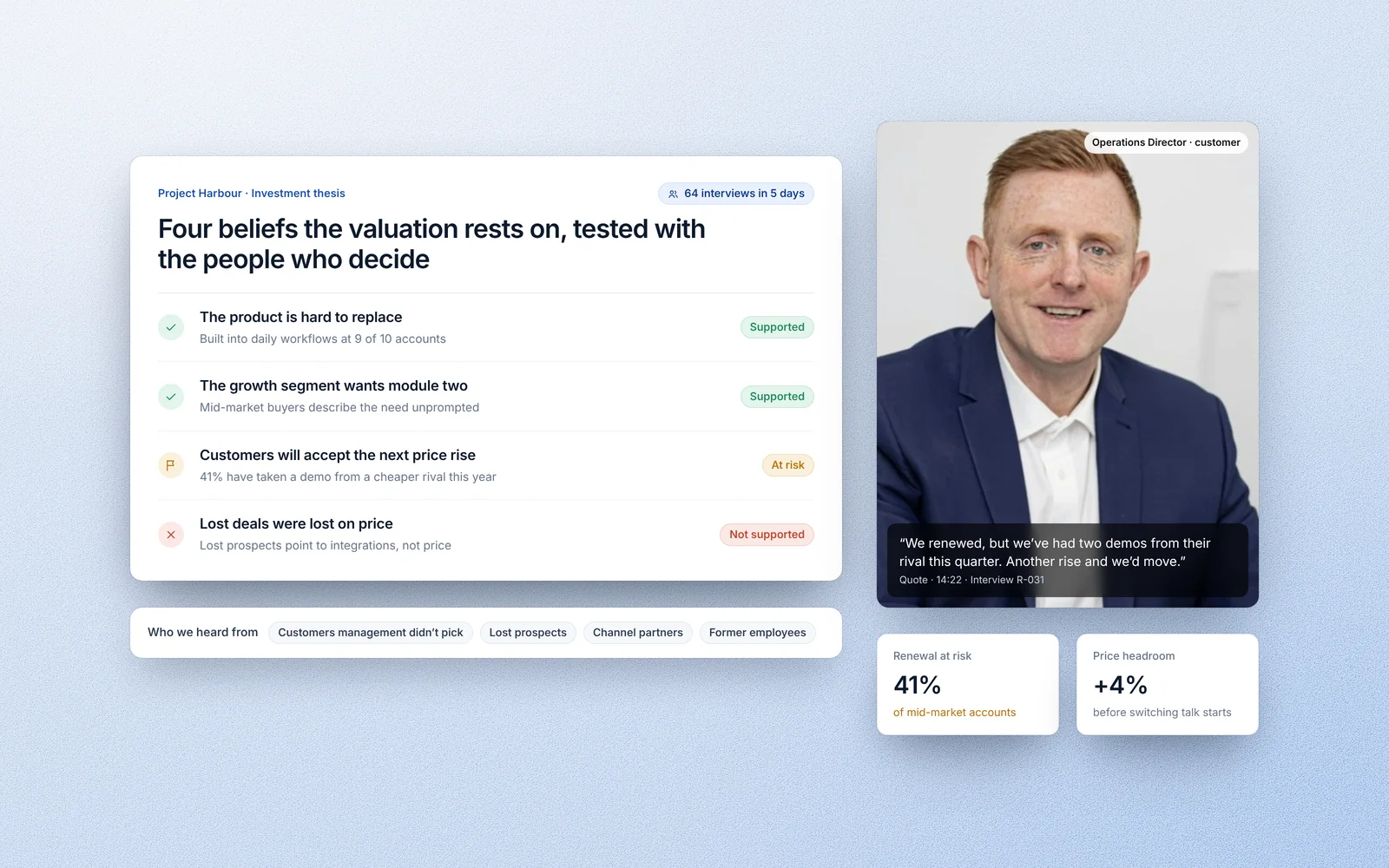
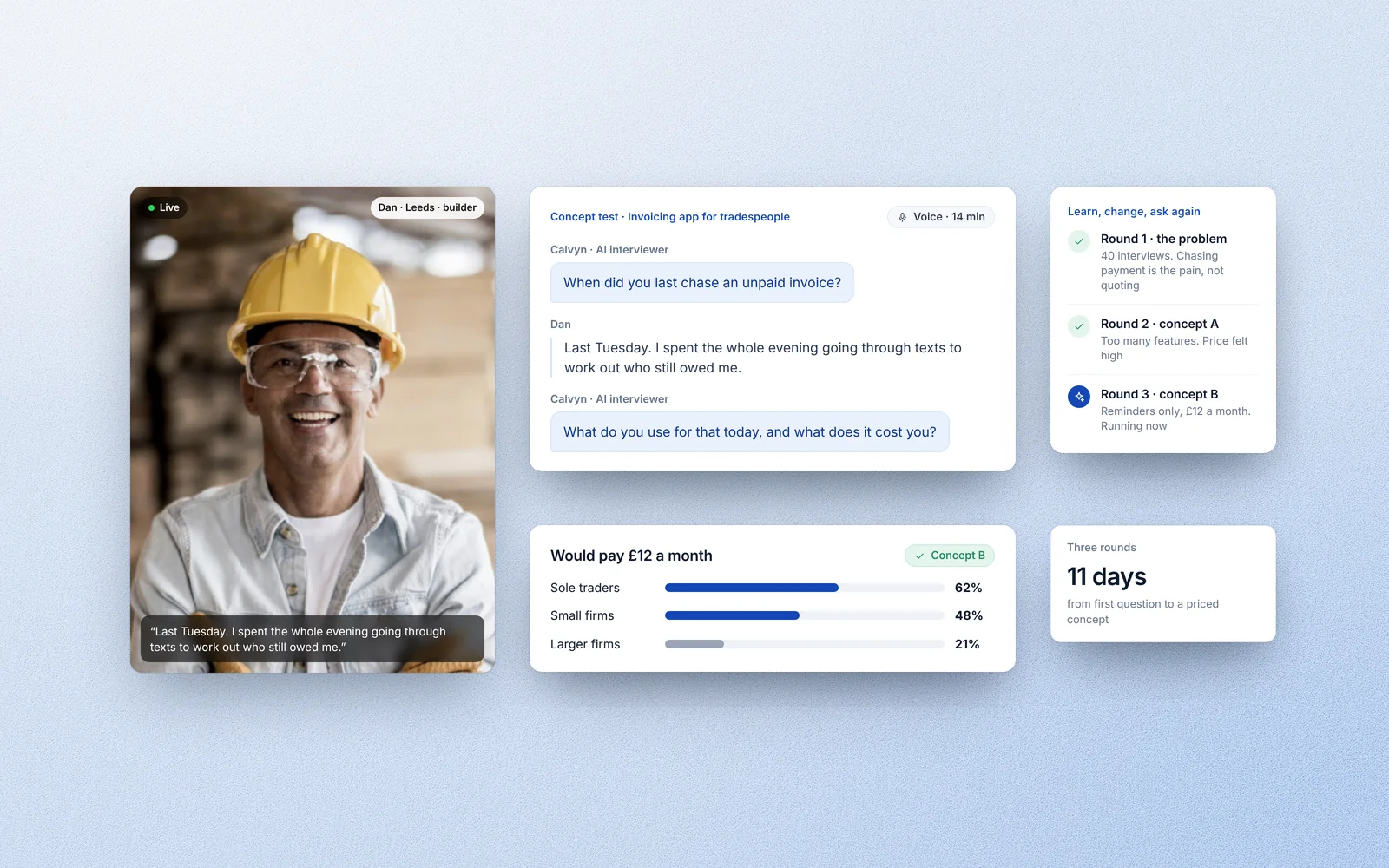
The companies that catch a shift early are rarely better at prediction. They are better at listening: to the right people, about the right question, often enough to notice when the answer changes.
On 23 April 1985, Coca-Cola replaced the formula it had sold for almost a century. The decision wasn’t a guess. In blind taste tests, people preferred the sweeter new recipe. Within weeks the company was taking as many as 8,000 calls a day and had received about 40,000 letters. On 11 July, 79 days after the launch, the original formula was back as Coca-Cola Classic.1
New Coke is usually told as a story about arrogance. It reads better as a story about method. The research answered the question it was given, which drink tasted better, with real precision. What it didn’t ask was how people would feel when something they had grown up with was taken away.
New Coke didn’t fail a taste test. It failed a question nobody asked.
Ask why, not what
Clayton Christensen’s milkshake study makes the same point from the other side. A fast-food chain asked customers to describe their ideal milkshake and made the changes they suggested. Sales didn’t move. Researchers then watched who bought milkshakes and asked them why. About 40 per cent were bought first thing in the morning, by commuters on their own. The shake’s real job was to make a long, dull drive more interesting and to keep hunger away until late morning. Once the chain understood the job, it knew what to improve.2
Surveys are good at measuring which option people prefer from a list. Conversations find what isn’t on the list.
LEGO listened its way back
In 2004 LEGO was in crisis, by one account losing cash at the rate of $1 million a day.3 Part of the recovery came from researchers spending time with families, through photo diaries and conversations in children’s homes. They learned that children play to get breathing space from supervised lives, to understand hierarchy, to master a skill and to be with friends. One 11-year-old boy in Germany showed a researcher his most prized possession: a battered trainer whose worn ridges proved to his friends that he had mastered a skateboard trick. Difficulty was part of the appeal. LEGO had been making play easier when children wanted to earn their status.3
None of this showed up in the sales data first. It showed up in conversations.
Why listening is harder now
The tools most marketers rely on are getting less reliable. Pew Research Center’s telephone survey response rates fell from 36 per cent in 1997 to 9 per cent in 2012, and to 6 per cent by 2018.4 Social media feels like the voice of the market, but it isn’t: Pew found that 10 per cent of US adult Twitter users wrote 80 per cent of the tweets.5 The loudest voices are rarely the most typical.
Meanwhile the gap between what companies believe and what customers experience is wide. In a Bain survey of 362 firms, 80 per cent said they delivered a superior experience. Only 8 per cent of their customers agreed.6 That gap is where trends hide: the frustrations that become a competitor’s pitch, and the needs that become a new category.
Closing it pays. McKinsey found that organisations that make full use of customer insight outperform their peers by 85 per cent in sales growth and by more than 25 per cent in gross margin.7
What good listening looks like
- Ask about behaviour, then why. What did they last buy, what nearly stopped them, and what did they compare it with?
- Talk to people who left, and people who never came. Lapsed customers and non-customers see the brand without loyalty.
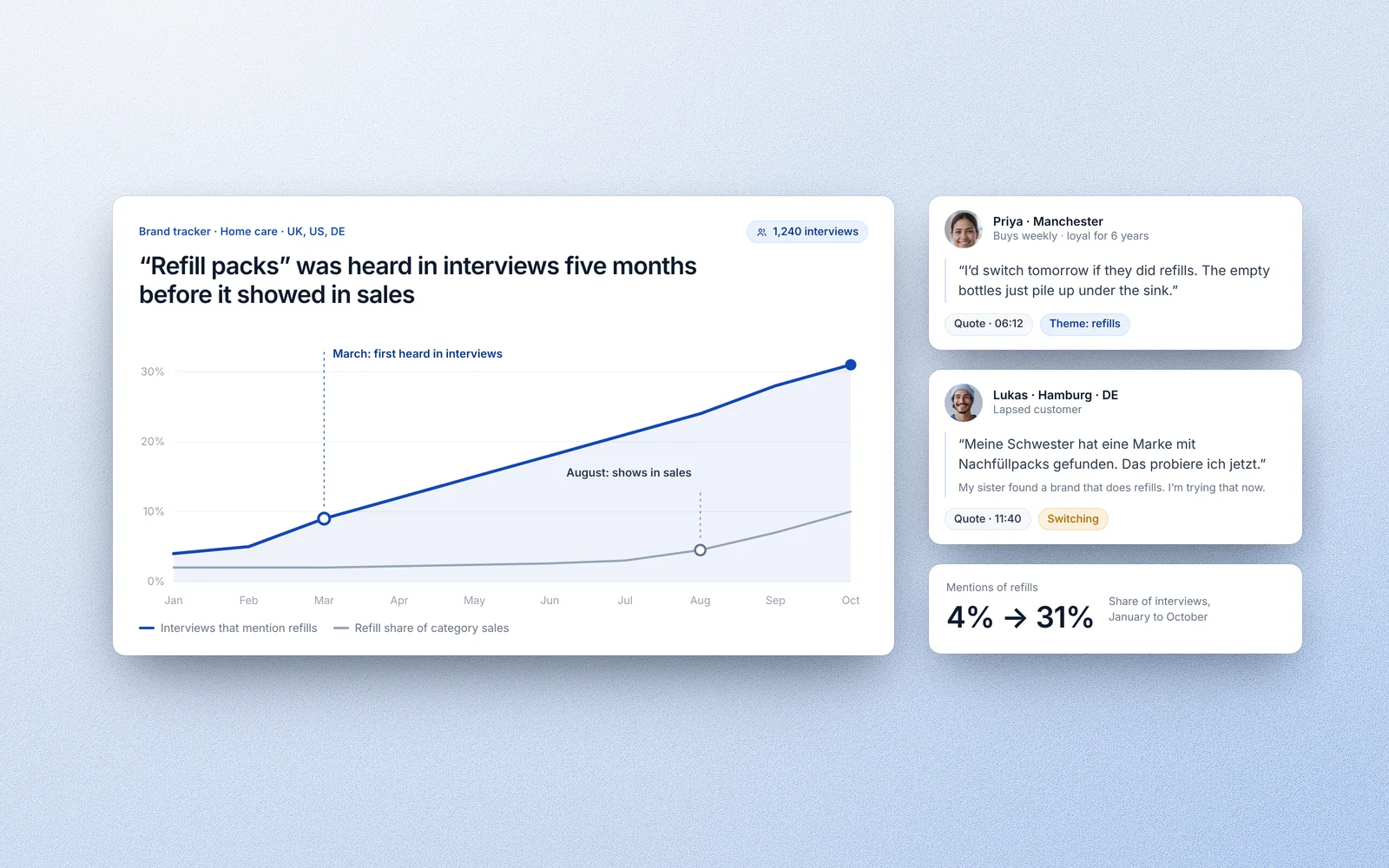
- Listen continuously. An annual tracker gives you the score once a year. Trends move between waves.
- Pair numbers with voices. A score tells you how many. A quote tells you why, and it is what moves a room.
- Use social signals to find questions, not answers. Then put those questions to the people who actually buy.
Where Calvyn fits
The brands that see what’s next first aren’t reading tea leaves. They ask real people better questions, and they never stop asking.
Sources
- History.com, “New Coke debuts in one of the biggest product flops in history”
- Harvard Business School Working Knowledge, “Clay Christensen’s Milkshake Marketing” (Carmen Nobel, 2011)
- Quartz, “LEGO turned itself around by analyzing overbearing parents” (2014)
- Pew Research Center, “Response rates in telephone surveys have resumed their decline” (2019)
- Pew Research Center, “Sizing up Twitter users” (2019)
- Bain & Company, “Closing the delivery gap” (2005)
- McKinsey & Company, “The customer-insights function is ripe for a boost” (2019)